

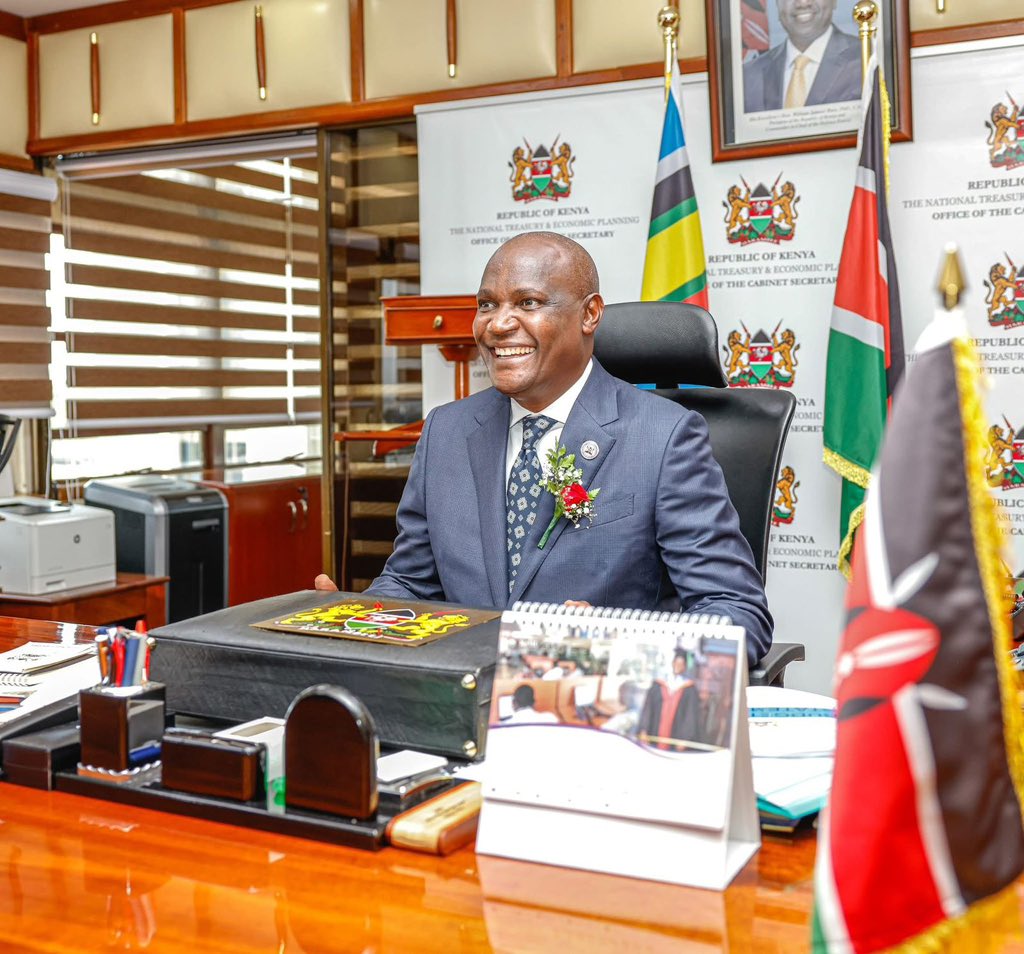
In a landmark moment for Kenya’s fiscal policy, Treasury Cabinet Secretary John Mbadi on Thursday delivered his debut budget speech, unveiling a colossal Ksh.4.2 trillion spending plan for the 2025/26 financial year. His highly anticipated presentation to Parliament came amid mounting public concern over ballooning debt, economic inequality, and a growing tax burden.
Mbadi’s budget is the largest in Kenya’s history, signaling both the urgency and the ambition of the government to address critical national challenges, including youth unemployment, infrastructure gaps, healthcare shortfalls, and climate change.
However, the plan comes with a steep cost. A significant portion of the budget, nearly 42%, will go toward debt servicing, reflecting the country’s heavy borrowing over the past decade. This has sparked criticism from economic analysts who warn that Kenya is edging dangerously close to unsustainable debt levels.
To finance the budget, Mbadi proposed a series of new and expanded tax measures, targeting digital services, luxury items, and increasing enforcement on tax compliance. He also reaffirmed the government’s controversial plan to gradually phase out fuel and food subsidies, moves likely to raise the cost of living for millions of Kenyans.
“Kenya must choose between painful reforms now or economic collapse later,” Mbadi told Parliament. “This budget reflects the tough choices we must make to protect future generations.”
Despite criticism, the budget also includes targeted reliefs for small businesses, a new employment incentive for companies hiring youth, and increased allocations to education and health.
As Kenyans brace for the ripple effects of this bold fiscal roadmap, all eyes are now on Parliament, which must debate and approve the proposals. Whether this budget will heal or harden public discontent remains to be seen, but one thing is clear: Mbadi has made his mark.