
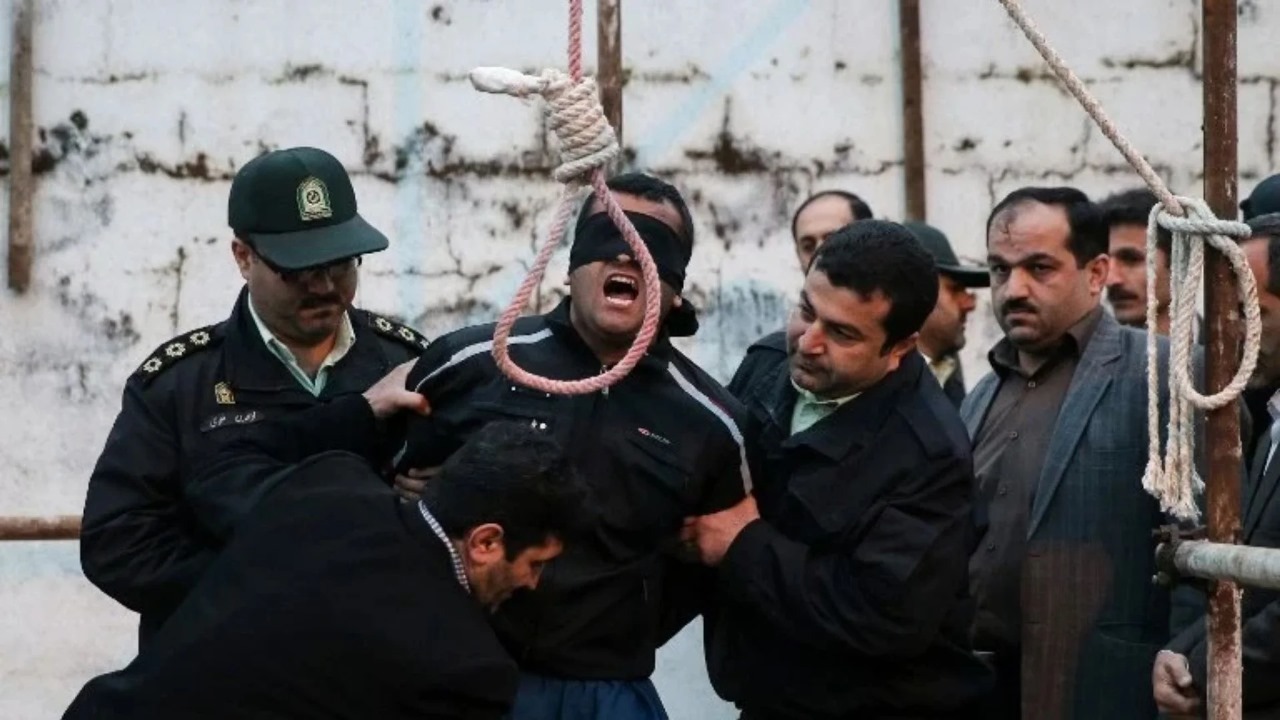
As tensions between Iran and Israel enter a volatile new phase, Iranian authorities announced the execution of a man accused of espionage for Israel’s intelligence agency, Mossad. The judiciary confirmed on Monday that Mohammad-Amin Mahdavi Shayesteh was hanged after being found guilty of “intelligence cooperation with the Zionist regime,” a term Iranian officials commonly use to refer to Israel.
The execution comes as hostilities between the two nations intensify, now stretching into their 11th consecutive day. Shayesteh was accused not only of espionage but also of collaborating with Iran International, a Persian-language satellite television station based in London, which Tehran has labeled a “terrorist organisation.”
The broadcaster has been a vocal critic of the Iranian government and gained prominence during the 2022 nationwide protests following the death of Mahsa Amini, a young Kurdish woman who died in police custody after being arrested for allegedly violating Iran’s strict hijab laws.
Iranian officials allege that Shayesteh’s involvement with Mossad and Iran International posed a significant national security threat. His execution follows that of Majid Mosayebi, another man accused of espionage for Mossad, who was executed a day earlier.
The country’s judiciary chief, Gholamhossein Mohseni Ejei, stated on state television that Iran would accelerate legal proceedings in cases involving alleged collaboration with Israel. “Security-related cases, especially those involving support for the usurping regime and acting as a fifth column of the enemy, will be handled more swiftly,” he declared.
Iran continues to rank among the world’s top executioners, second only to China, according to Amnesty International and other human rights watchdogs. The international community has expressed concern over Iran’s increasing use of capital punishment in politically sensitive cases, viewing it as part of a broader crackdown on dissent and opposition voices.
As regional instability deepens, the implications of such executions may further inflame tensions and complicate any prospects for diplomatic resolution.