

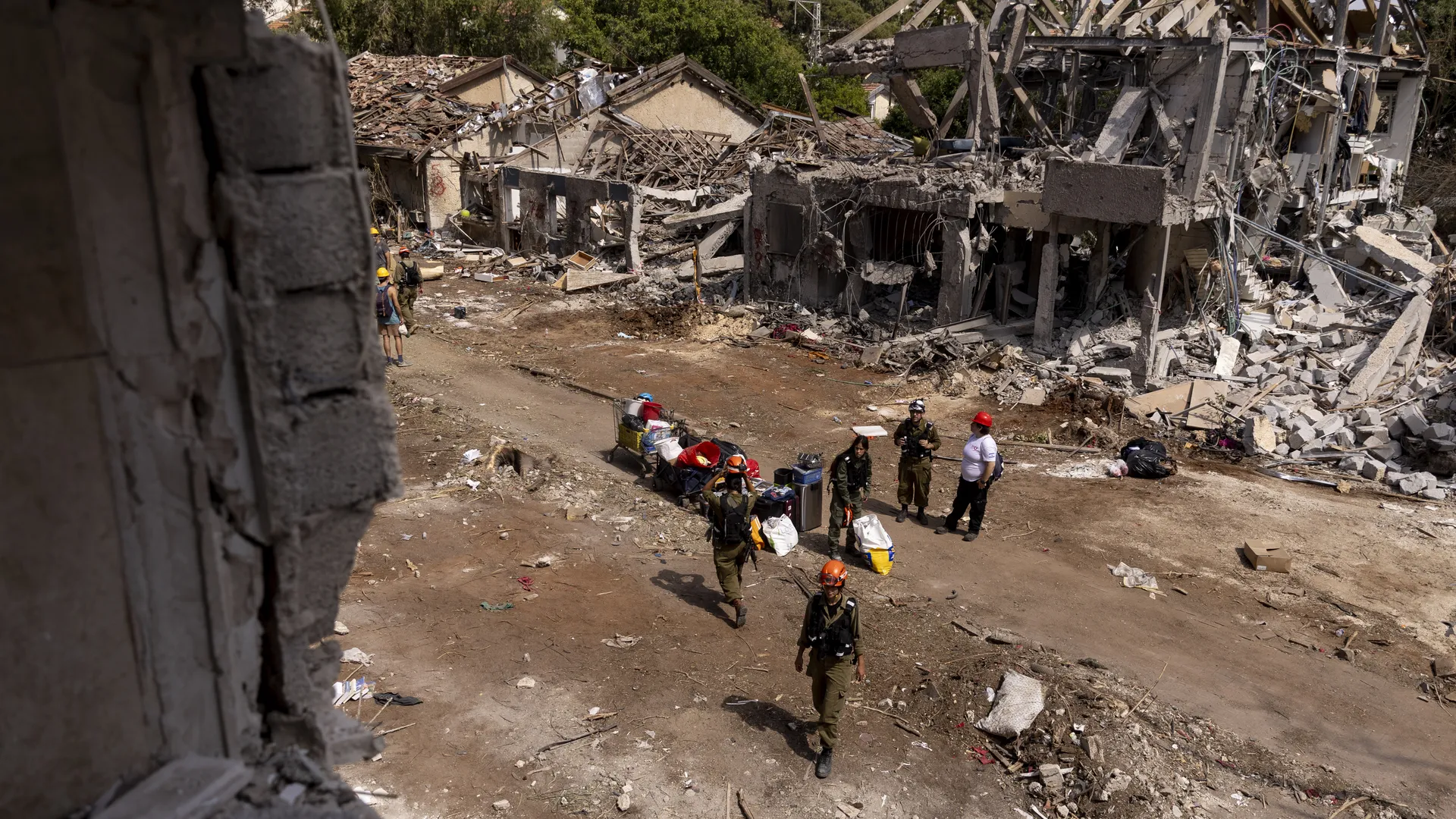
A dramatic turn of events unfolded on Monday U.S. President Donald Trump announced a ceasefire agreement between Israel and Iran, potentially halting the 12-day conflict that has gripped the Middle East and forced millions to flee the Iranian capital, Tehran.
While the announcement sparked cautious optimism, the ground reality tells a more complex and volatile story.
Trump, posting on his Truth Social platform, congratulated both nations on what he termed “THE 12 DAY WAR,” praising their “stamina, courage, and intelligence” in agreeing to end the hostilities. He claimed the ceasefire was brokered after calls with Israeli Prime Minister Benjamin Netanyahu and indirect diplomacy involving U.S. officials and Qatari intermediaries.
Tehran’s partial confirmation, however, included a caveat: Iran’s Foreign Minister Abbas Araqchi said hostilities would only cease if Israel stopped its aggression by 4 a.m. Tehran time.
Yet, within hours of the ceasefire announcement, new volleys of missiles were reported. Explosions rocked Tel Aviv and Beersheba, killing three and damaging infrastructure. Israel’s military has neither confirmed nor denied new retaliatory action, but tensions remain high as alarms were triggered in the Golan Heights amid fears of hostile aircraft.
The conflict escalated over the weekend when U.S. bombers joined Israel in targeting Iranian nuclear facilities, allegedly to neutralize Iran’s capacity to build nuclear weapons. Vice President JD Vance insisted Iran’s nuclear capability had been “destroyed,” although U.S. intelligence has previously reported that Tehran was not actively pursuing a bomb.
Markets responded swiftly. The S&P 500 futures rose, while oil prices dipped amid reduced fears of regional supply disruptions.
Despite diplomatic rhetoric and temporary de-escalation, the situation remains volatile. For many, the announced ceasefire is not a conclusion, but an uneasy pause in a conflict where both strategy and survival remain at stake.