

Kenya has once again found itself at the heart of a fierce cultural and political debate, following its recent vote at the United Nations in favour of a resolution perceived by many as supportive of LGBTQ+ rights.
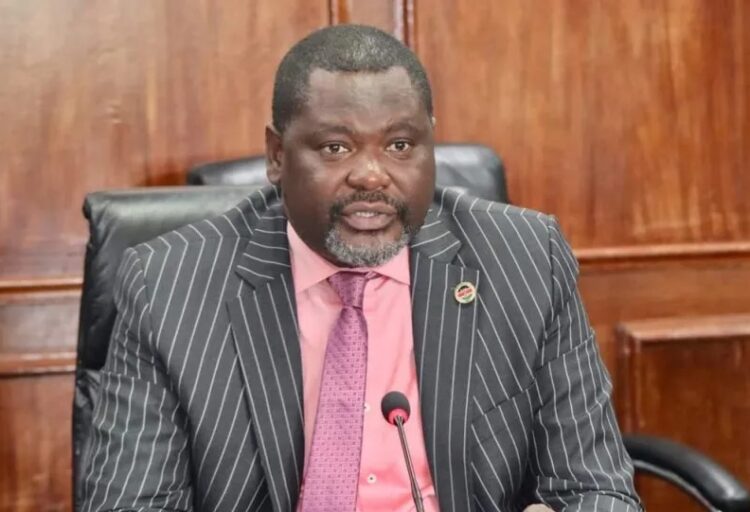
The decision, which aligns the country with a growing number of nations advocating for inclusivity and non-discrimination, has ignited a firestorm back home, with Homa Bay Town MP Peter Kaluma emerging as the face of the opposition.
The UN resolution, which seeks to protect individuals from violence and discrimination based on sexual orientation and gender identity, was backed by Kenya among other member states. While it makes no mention of legalizing same-sex marriages, its passage has been viewed as a symbolic endorsement of LGBTQ+ inclusion, a subject that continues to be deeply divisive in Kenya.
MP Kaluma, known for his hardline stance on moral and cultural issues, has publicly condemned the vote, accusing the government of betraying the values and religious beliefs of the majority of Kenyans. In a series of scathing statements, Kaluma described the move as a “capitulation to foreign interests” and vowed to push for stronger legislation to counter what he calls the “normalization” of LGBTQ+ ideologies.
“This is a betrayal of the family unit and a slap in the face of Kenyan culture and religion,” Kaluma told reporters. He further claimed that the government acted without public consultation and is treading a dangerous line by embracing Western social agendas.
On the other hand, human rights defenders and progressive voices have applauded the UN vote as a bold step toward upholding dignity and equality for all Kenyans, regardless of identity.
As the political storm brews, Kenya finds itself at a crossroads between global human rights commitments and deeply rooted societal norms. Whether the country will stay the course or retreat under pressure remains to be seen.