
High blood pressure, medically known as hypertension, is one of the most common yet most underestimated health conditions worldwide.
In Kenya and beyond, it continues to affect people of all ages, often going unnoticed until it causes severe health complications such as heart attacks, strokes, kidney failure, or vision problems. This is because hypertension usually develops gradually and rarely presents clear symptoms in its early stages. Detecting it early is therefore essential for timely intervention and long-term health management.
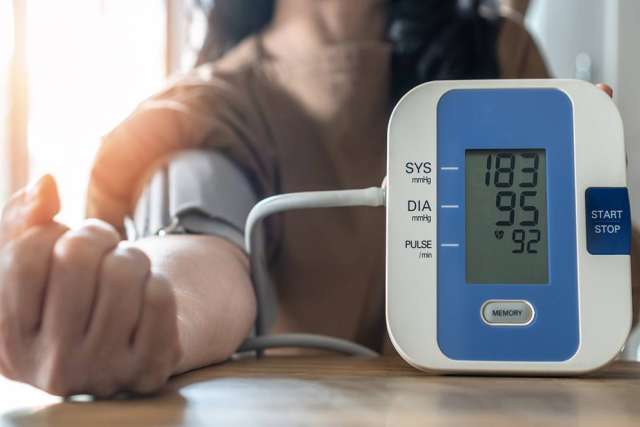
The most effective way to detect high blood pressure early is through routine blood pressure checks. Regular monitoring, at least once a year for healthy adults and more frequently for those with risk factors, can help identify abnormal readings before symptoms appear. Many hospitals, health centres, and pharmacies across Kenya offer affordable or even free blood pressure screening services. For individuals with a family history of hypertension or lifestyle-related risks, home blood pressure monitors are an excellent investment for continuous tracking.
It is also important to understand the warning signs, even if they are subtle or easily overlooked. In some cases, individuals with high blood pressure may experience recurring headaches, dizziness, nosebleeds, chest discomfort, shortness of breath, or blurred vision. Although these symptoms are not always present, when they occur frequently, they may indicate dangerously high blood pressure levels that require immediate medical attention.
Beyond monitoring, being aware of personal risk factors is vital. These include being overweight, leading a sedentary lifestyle, consuming a high-salt diet, smoking, excessive alcohol intake, chronic stress, and having other conditions such as diabetes. If you fall into one or more of these categories, it’s wise to take proactive steps, such as regular check-ups and adopting a healthier lifestyle.
Maintaining a balanced lifestyle plays a significant role in early detection and prevention. Eating a nutritious diet, staying physically active, reducing salt and processed foods, managing stress, and avoiding smoking and excessive alcohol consumption all contribute to lower blood pressure and improved overall well-being. These healthy habits not only reduce the risk of developing hypertension but also help in noticing when something feels off in your body.
Early detection of high blood pressure is not just about avoiding serious illness, it’s about taking charge of your health. Make it a habit to check your blood pressure regularly, especially if you are over 30 or have underlying risks.
Encourage friends and family to do the same. In a world where hypertension often goes unnoticed until it’s too late, staying informed, alert, and proactive can make all the difference.

