

South Africa has arrested and ordered the deportation of seven Kenyan nationals accused of illegally working on a United States refugee resettlement programme, a move that has opened an awkward diplomatic front involving Nairobi and Washington.
In a statement issued on December 17, South Africa’s Department of Home Affairs said the Kenyans had entered the country on tourist visas before taking up employment at a Johannesburg-based centre processing so-called refugee applications to the United States.
Their earlier visa applications to perform the work legally had been rejected, the department noted.
“They were discovered engaging in work despite only being in possession of tourist visas, in clear violation of their conditions of entry,” Home Affairs said.
The seven were arrested, issued with deportation orders and banned from re-entering South Africa for five years.
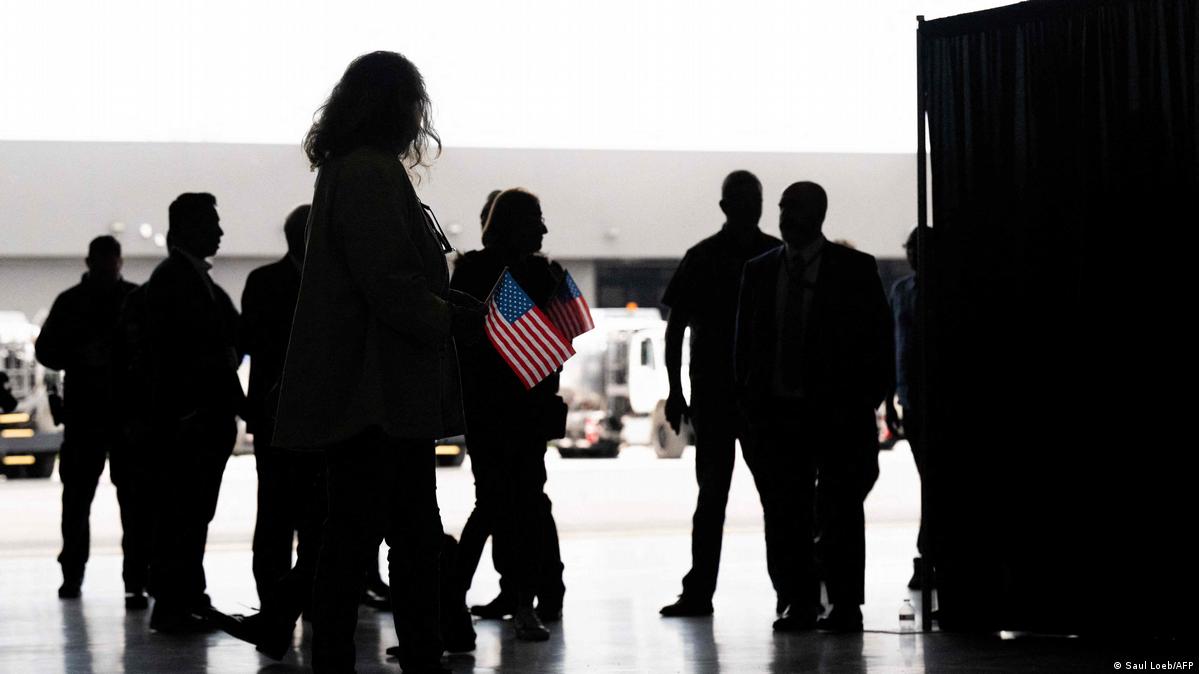
The arrests are tied to a controversial US resettlement programme championed by President Donald Trump’s administration, which seeks to relocate thousands of white South Africans to the United States on the claim that they face racial persecution.
Pretoria has repeatedly rejected the assertion, describing it as misinformation.
According to the US embassy website, refugee processing in South Africa is being handled by Amerikaners, a group led by white South Africans, and RSC Africa, a Kenya-based refugee support centre operated by Church World Service.
South African authorities said intelligence reports indicated that the Kenyans had been working at a processing centre linked to the scheme.
Home Affairs stressed that the operation was “routine and lawful”, carried out away from diplomatic premises, and that no members of the public or prospective refugees were harassed.
“No person or entity is above these laws,” the department said, adding that the arrests formed part of a broader campaign to curb immigration and visa abuse.
Yet the episode has unsettled Pretoria. The department said the “presence of foreign officials apparently coordinating with undocumented workers naturally raises serious questions about intent and diplomatic protocol.
South Africa’s Department of International Relations and Cooperation has since initiated formal diplomatic engagements with both the United States and Kenya.
The incident stresses growing tensions around migration, sovereignty and political narratives in South Africa, where the government is determined to assert control over its borders while resisting what it views as externally imposed characterisations of its domestic affairs.
For Nairobi, the deportations place Kenya uncomfortably close to a dispute not of its making but one in which its citizens, and a Kenya-based organisation, are now entangled.


Leave a Reply