

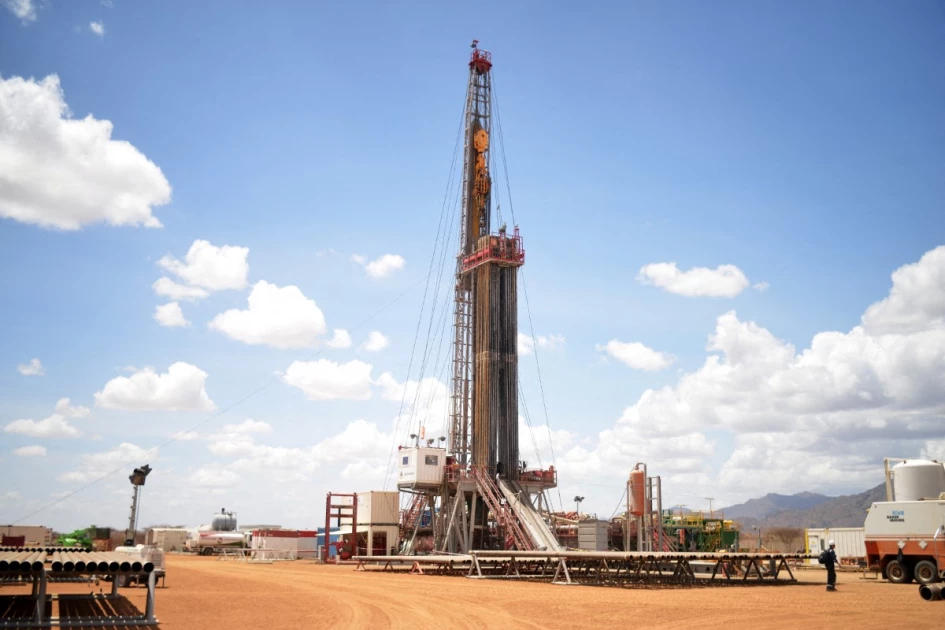
The Senate Energy Committee has tabled the South Lokichar Basin Field Development Plan and production sharing contracts for Blocks T6 and T7 on November 27, 2025, inviting public memoranda until January 16, 2026.
The $6.1 billion Phase 1 targets first oil by December 2026, aiming for 20,000 barrels per day initially and infrastructure like 250 wells and a new railway.
Critics, including Nairobi Senator Edwin Sifuna, blast a recent contract addendum for hiking the cost recovery limit to 85% from 65%, adding tax exemptions, and allegedly bypassing local content rules—while supporters urge balanced input to revive the stalled project and deliver jobs and revenue to Turkana.
”The ownership of the Company that is to produce the oil (Gulf Energy, Formerly Tullow) changed names and hands multiple times in a matter of weeks. Days even. Your lawyer will tell you thats symptomatic of attempts to mask real ownership. It is telling that the current FDP was approved by government days after the last ownership changes,” Senator Sifuna says.
Adding, ”he Original production contract has been varied a million times. Most notably on 25th November 2025 just days after the last ownership changes, to raise the maximum recoverable cost for petroleum production from the initial 55% to 85%. Kenyans will never see any real benefit from that oil.”
The Nairobi senator further reveals that on the same day Clause 27(2)(b) was amended to expand the definition of capital expenditure to include expenditure on labour, fuel, repairs, maintenance, hauling, mobilisation and supplies and materials relating to production, development, exploration and appraisal and decommissioning costs.
”We may basically never see a coin from our oil,” Sifuna.
The “Turkana oil” project, previously led by Tullow Oil, is now under the control of Gulf Energy (Auron Energy), following Tullow’s exit in 2025, with plans to start production from the South Lokichar Basin by late 2026.
It aims to produce between 60,000 and 100,000 barrels/day, marking Kenya’s push for homegrown energy with local operators leading the way after previous delays.



Leave a Reply