

Kenya has successfully raised $2.25 billion (about Sh290 billion) from international investors through a dual-tranche Eurobond issuance, easing pressure on upcoming debt repayments and strengthening the country’s fiscal position ahead of the 2026/2027 financial year.
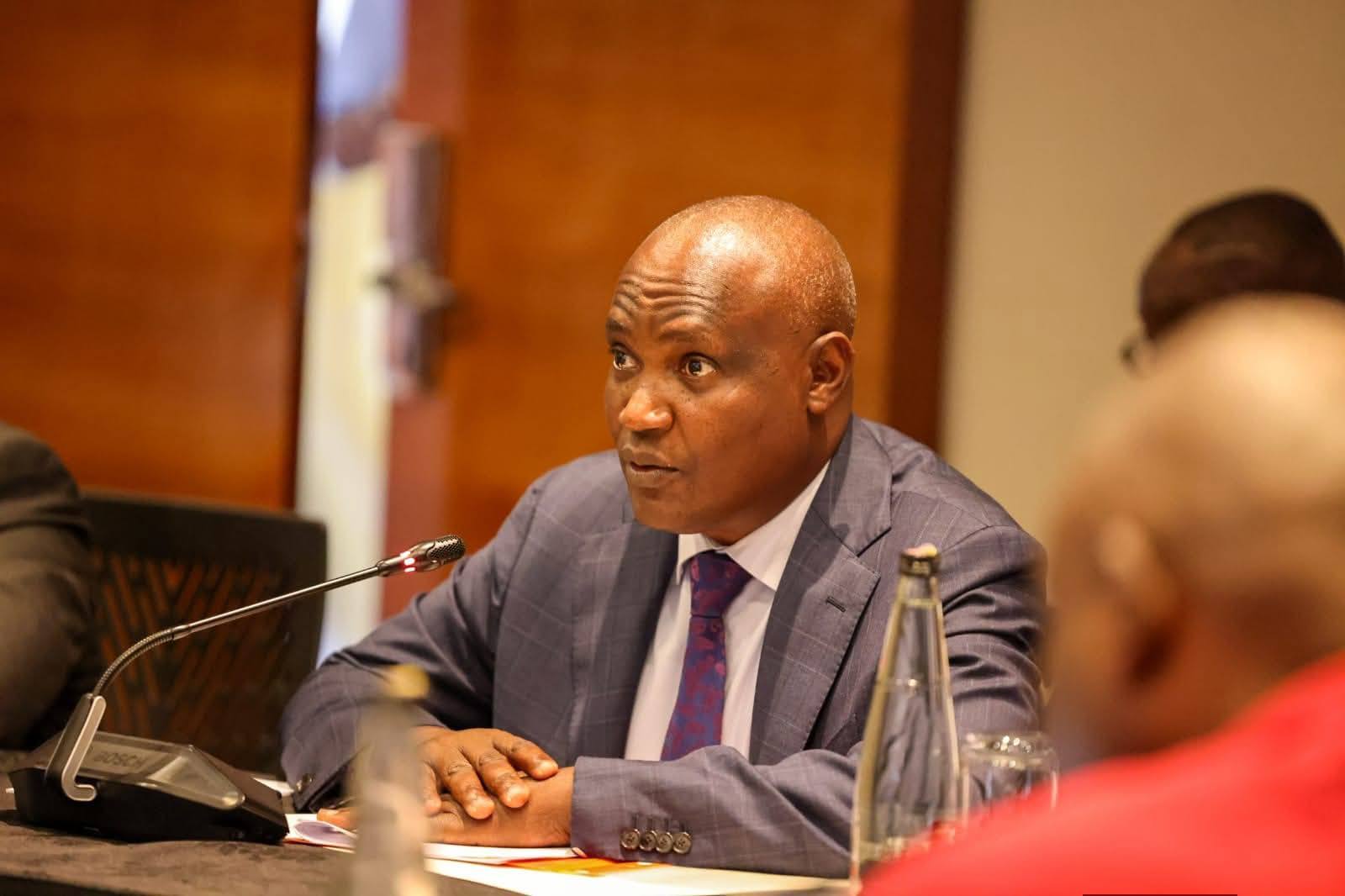
Treasury Cabinet Secretary John Mbadi announced on Friday, February 20, that the funds were secured after attracting overwhelming interest from global and regional investors, signalling renewed confidence in Kenya’s economic management and creditworthiness.
“The government of Kenya is pleased to announce the successful pricing of a new dual-tranche Eurobond issuance totalling $2.25 billion,” Mbadi said.
The proceeds will partly refinance Eurobonds maturing in 2028 and 2032, while the remainder will help plug the national budget deficit. The issuance included Sh116 billion ($900 million) in seven-year bonds and Sh168 billion ($1.35 billion) in 12-year bonds.
According to Mbadi, the Eurobond attracted “strong, high-quality demand,” with the order book significantly oversubscribed. Kenya now joins other African economies such as Ivory Coast and Congo in returning to international markets as global borrowing conditions improve.
The Treasury chief noted that the move aligns with the government’s broader debt management strategy to smoothen repayment schedules and manage public liabilities more effectively.
“Global borrowing conditions have slightly improved, making it easier and cheaper for countries to access international financing compared to previous years,” Mbadi said, adding that the timing of the issuance allowed Kenya to capitalise on favourable market conditions.
Credit rating agencies have also responded positively to Kenya’s fiscal reforms. Moody’s upgraded the country’s sovereign rating from Caa1 to B3 in January, citing reduced near-term default risk and assigning a stable outlook. Fitch Ratings affirmed Kenya’s B- rating with a stable outlook.
The successful Eurobond issuance marks a major milestone in Kenya’s efforts to stabilise public finances, restore investor confidence, and maintain access to global capital markets amid shifting global economic dynamics.




Leave a Reply