

In a bold diplomatic exchange that has drawn global attention, the Kremlin on May 12, 2025, rejected a ceasefire proposal presented by the German government, firmly stating that Russia “will not be spoken to in such terms.” The statement came following what Moscow described as an “ultimatum-like” demand from Berlin calling for an immediate cessation of hostilities in Ukraine.
German Chancellor Annalena Baerbock had urged Russia to agree to a ceasefire “without preconditions” and within a specified timeframe. The proposal, which was intended to lay the groundwork for renewed peace talks and humanitarian access in eastern Ukraine, was seen by Berlin as a necessary step toward de-escalating the protracted conflict.
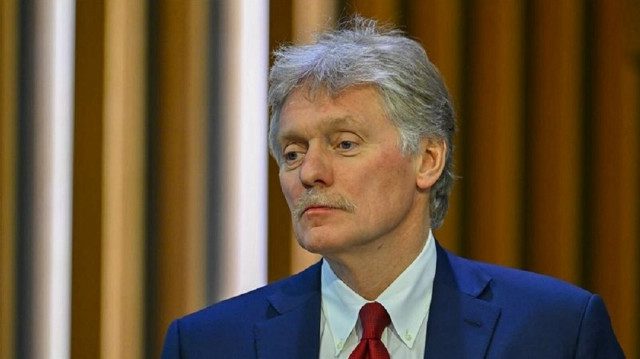
However, the Kremlin’s spokesperson, Dmitry Peskov, responded with a strongly worded statement. “Russia is open to dialogue, but not to threats or ultimatums,” Peskov said during a press briefing. “You cannot speak to Russia in the language of coercion or dictate terms. That approach is unacceptable and counterproductive.”
Moscow’s rejection underscores the deepening rift between Russia and Western powers, particularly as European nations continue to support Ukraine with military aid and economic sanctions against Russia. The diplomatic impasse highlights the difficulties facing any potential peace initiatives amid the ongoing war.
International observers have expressed concern that the escalation in rhetoric could harden positions on both sides, making a negotiated solution even more elusive. While Berlin has not officially responded to the Kremlin’s rebuttal, sources indicate that German officials are now reassessing their diplomatic strategy toward Moscow.
As the conflict persists, the international community watches closely, with hopes for renewed dialogue dimming in the wake of these latest developments.