

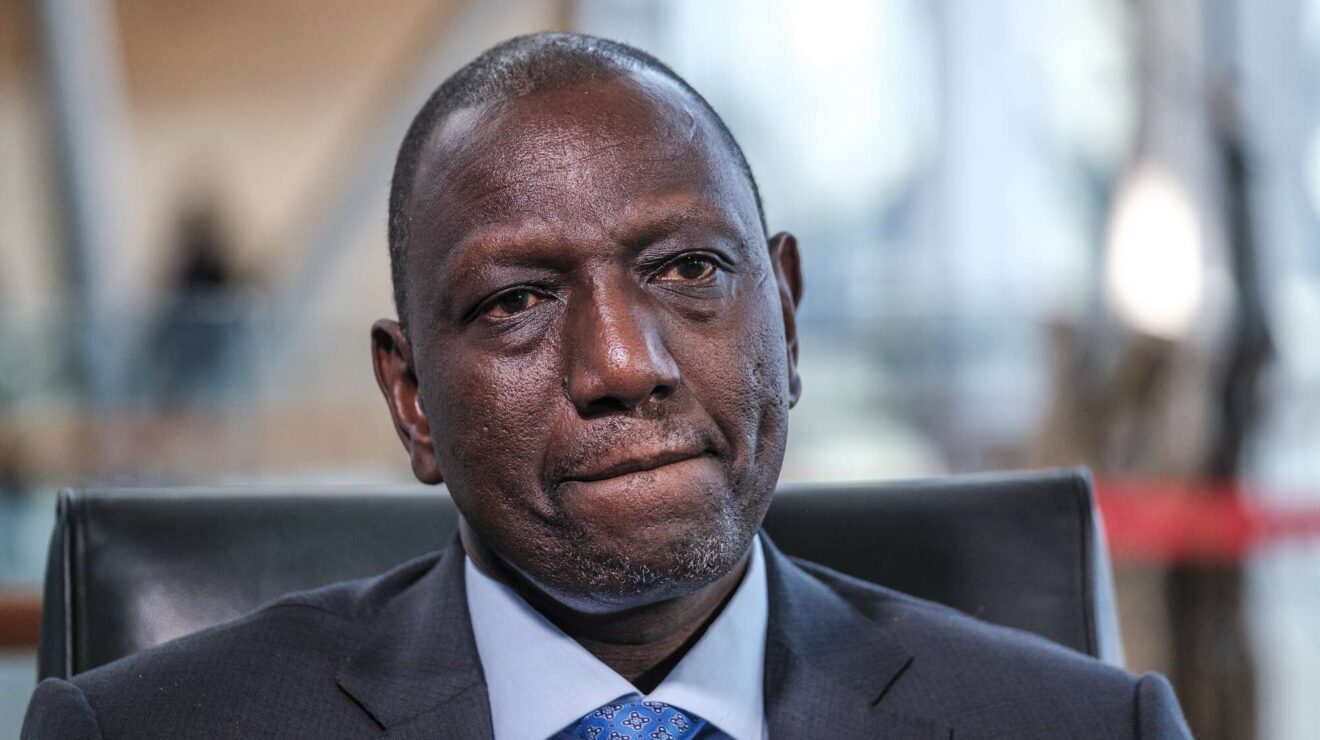
Kenya is currently grappling with mounting concerns over the government’s treatment of critics, particularly those voicing opposition to President William Ruto’s administration.
Over the past several months, reports of harassment, arbitrary arrests, abductions, and targeted investigations by law enforcement and the Ethics and Anti-Corruption Commission (EACC) have raised alarm both locally and internationally.
According to a report released in early May 2025 by the Kenya National Commission on Human Rights (KNCHR), at least 82 individuals were abducted between June 2024 and April 2025 in connection with anti-government protests.
Many of those abducted were youthful demonstrators who had voiced their disapproval of the controversial Finance Bill 2024. The bill proposed aggressive taxation measures, which ignited widespread protests largely driven by Generation Z and university students.
Although President Ruto vetoed the bill after public pressure, the government’s response to the protests has been aggressive. Activists and independent media sources have documented cases of individuals being taken by unidentified men in unmarked vehicles, some of whom were later found to have been held incommunicado for days or even weeks.
In a high-profile incident, Billy Mwangi, a university student, was abducted in March 2025 after sharing a satirical image of the president on social media. He later claimed to have been tortured during his captivity.
The EACC, while mandated to investigate corruption, has been accused of selectively targeting opposition figures, with the latest being Trans Nzoia Governor George Natembeya. Analysts argue that its recent probes into vocal Ruto critics appear politically driven rather than impartial.
As the crackdown intensifies, local and international observers warn that Kenya’s democratic space is shrinking. The government now faces growing pressure to respect civil liberties, uphold justice, and foster an environment where dissenting voices are protected rather than punished.