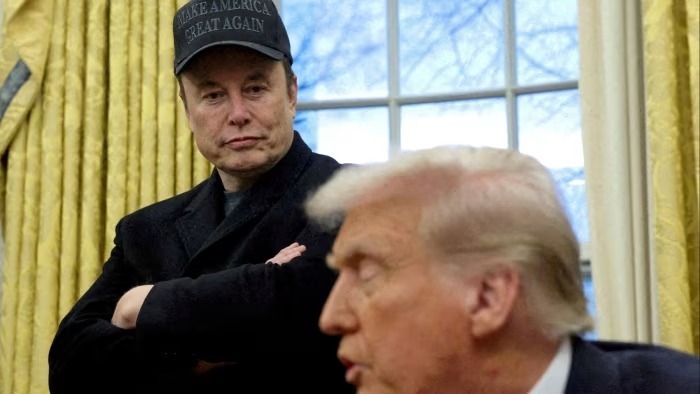


On May 21, 2025, during a high-stakes Oval Office meeting, former U.S. President Donald Trump confronted South African President Cyril Ramaphosa with widely debunked allegations concerning the so-called systematic killing of white farmers in South Africa.
The meeting, initially intended to strengthen diplomatic ties and discuss mutual trade interests, quickly turned contentious as Trump introduced claims that international observers and human rights watchdogs have long dismissed.
According to White House insiders, Trump presented President Ramaphosa with a video montage showing white crosses in rural fields and controversial clips of opposition leader Julius Malema.
Trump alleged that these crosses symbolized graves of white farmers murdered in racially motivated attacks a narrative previously linked to white nationalist circles and disproven by credible data. President Ramaphosa clarified that the video was misleading, noting that the white crosses were from a peaceful 2020 protest in KwaZulu-Natal and not evidence of mass killings.
President Ramaphosa firmly rejected the accusations, stating that crime in South Africa affects all demographics and that the government remains committed to justice and safety for all citizens, regardless of race. He emphasized that the majority of murder victims in South Africa are Black and that farm attacks, while a concern, are not racially targeted.
The confrontation has stirred diplomatic tension and drawn criticism from international organizations such as the United Nations and Amnesty International, which have consistently affirmed the absence of any systematic or racially-motivated campaign against white farmers.
The incident has sparked renewed debate on the influence of misinformation in global politics and the responsibility of leaders to engage in fact-based dialogue, especially on matters with international impact.