

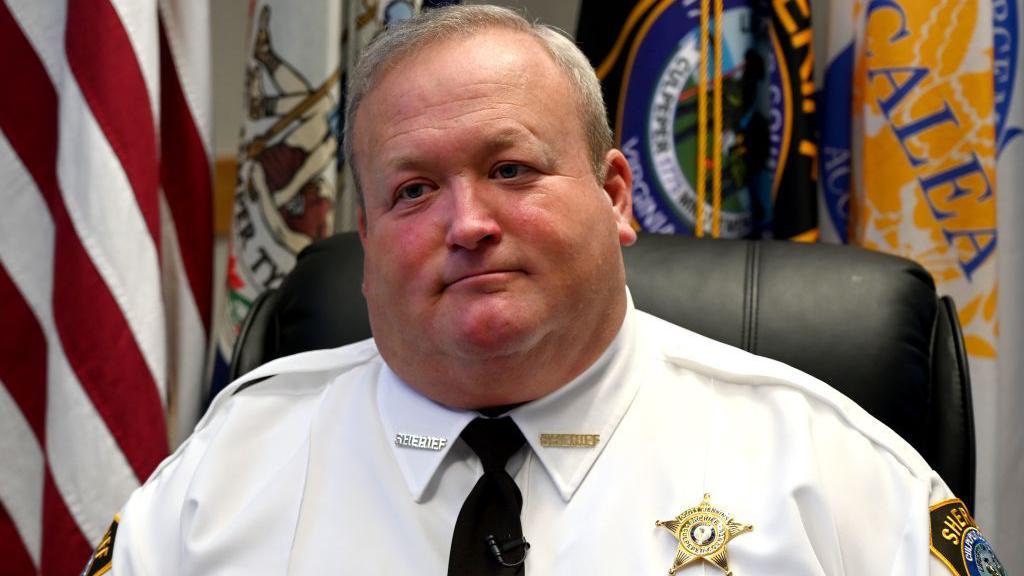
In a move stirring national debate, former U.S. President Donald Trump has issued a full pardon to Scott Jenkins, a former Virginia sheriff convicted of corruption-related charges.
The presidential pardon, announced on May 27, 2025, has drawn sharp criticism from legal experts and civil rights advocates, many of whom argue it undermines the integrity of the justice system.
Jenkins, once the sheriff of Culpeper County, Virginia, a role comparable to a regional police commander in countries like Kenya, was found guilty in December 2024 of accepting more than $75,000 in bribes.
According to federal prosecutors, Jenkins used his official capacity to illegally appoint unqualified individuals as law enforcement officers in exchange for cash. These appointments gave the businessmen access to law enforcement credentials without undergoing required background checks or formal police training.
The disgraced sheriff was sentenced to 10 years in federal prison and was due to report for incarceration on May 27. However, hours before his surrender, Trump exercised his presidential authority to grant Jenkins a full pardon, effectively erasing the conviction and preventing him from serving a single day behind bars.
In a brief statement, Trump defended the pardon, claiming Jenkins was the victim of a politically motivated prosecution and praising his “dedicated public service.” Critics, however, say the pardon sends a dangerous message that public officials can escape accountability if they have political connections.
“This is a clear subversion of justice,” said Lisa Raymond, a legal analyst and former federal prosecutor. “Bribery and abuse of office are serious offenses, and pardoning such behavior weakens public trust in law enforcement.”
As Trump remains an influential political figure in the U.S., the pardon has sparked further discourse over the limits and ethics of presidential clemency. Legal scholars are now calling for reforms to prevent potential misuse of executive powers for personal or political gain.
The Jenkins pardon adds to Trump’s growing list of controversial clemency decisions, once again placing his leadership style and legal interpretations under intense scrutiny.