
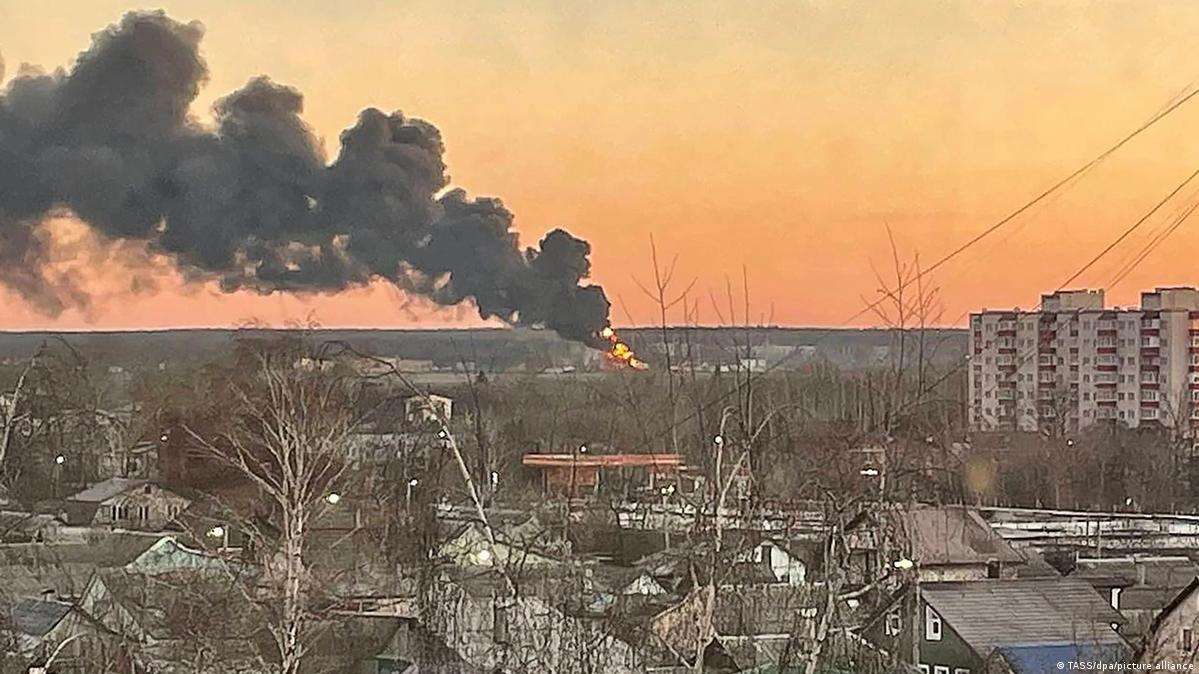
Ukrainian intelligence services carried out a daring and unprecedented drone strike deep into Russian territory over the weekend, reportedly destroying more than 40 military aircraft at five airbases, including targets in Siberia.
The massive assault marks a new chapter in Ukraine’s defensive campaign and sends a clear signal about the reach and sophistication of its drone warfare capabilities. The operation, code-named “Spiderweb,” was confirmed by Ukraine’s security services on Sunday.
According to officials in Kyiv, the mission had been in planning for over 18 months and was conducted under the direct supervision of President Volodymyr Zelensky. “An absolutely brilliant result. A result achieved solely by Ukraine,” Zelensky posted on X, noting that all operatives involved were successfully withdrawn from Russian territory.
Despite the scale and impact of the strikes, U.S. President Donald Trump was not briefed in advance. Two senior administration officials told the Kyiv Post that the United States had no involvement in the operation. “This was purely a Ukrainian operation; the US has nothing to do with it,” one official stated.
President Trump, who spent Sunday morning golfing in Virginia, has remained publicly silent on the matter, while Secretary of State Marco Rubio held a phone call with Russian Foreign Minister Sergey Lavrov, urging continued direct talks between Russia and Ukraine.
Reactions among U.S. lawmakers were swift and largely supportive of Ukraine. Senator Lindsey Graham, recently returned from a visit to Kyiv, praised Ukraine’s resourcefulness, calling the drone strikes “a justified response” to Russia’s continued bombardment of Ukrainian cities.
Congressman Don Bacon echoed this sentiment, emphasizing that Ukraine struck military targets, while Russia continues to target civilians.
As Ukraine expands its battlefield strategy, international attention now turns to the evolving political and diplomatic consequences of its boldest strike yet.