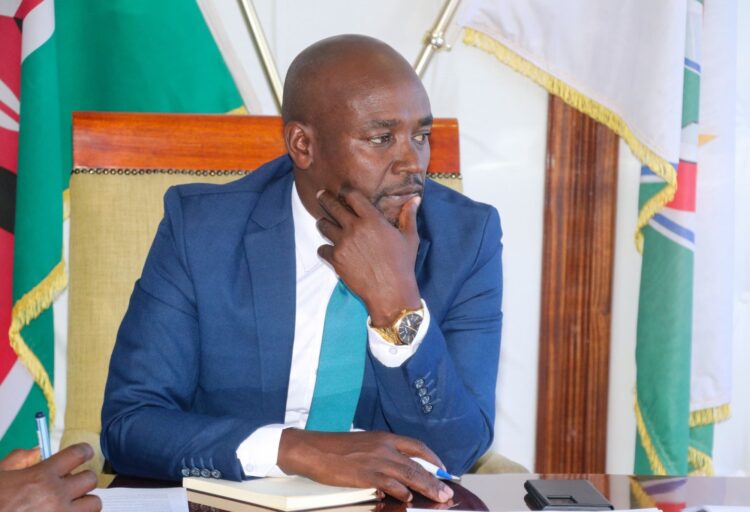

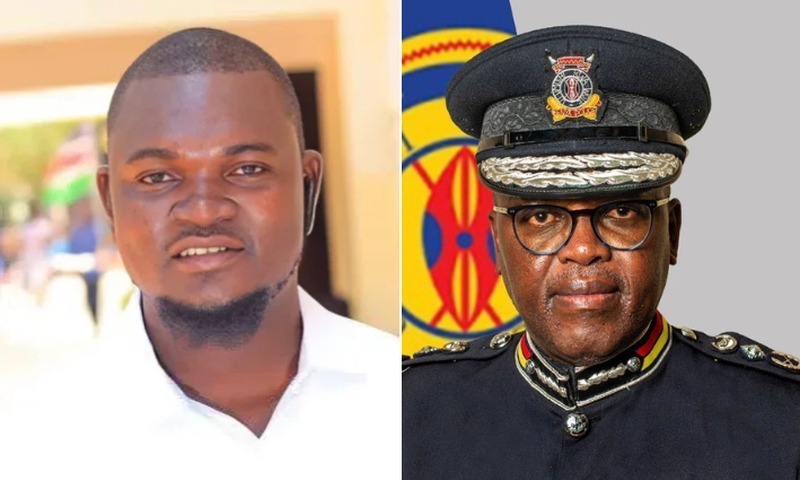
The death of prominent blogger Albert Ojwang has ignited a firestorm of controversy and calls for accountability across Kenya. Central to the unfolding drama is Deputy Inspector General (DIG) Eliud Lagat, who faces intense pressure to step down amid allegations that he ordered Ojwang’s arrest over an alleged publication of false information damaging to his reputation.
Several Members of Parliament, human rights activists, and members of the public have urged President William Ruto to take swift action against Lagat, accusing him of contributing to a climate of impunity within the police force.
The public outcry is fueled by fears that Lagat’s continued tenure undermines trust in law enforcement and hampers efforts to uphold justice. However, not everyone is ready to condemn the DIG without thorough investigations.
Nairobi Woman Representative Esther Passaris has called for calm, emphasizing the need for a measured approach. According to Passaris, who was with Lagat at a Kenya Alliance of Residents Association meeting on the day news of Ojwang’s death broke, the DIG’s reaction was one of genuine surprise, not the demeanor of someone implicated in a cover-up or wrongdoing.
Passaris’s remarks suggest that the focus on Lagat may be premature, highlighting the dangers of rushing to judgment based on emotions rather than facts. “He was completely out of the loop. His composure reflected genuine surprise, not that of someone aware of, let alone involved in, the death of Albert Ojwang,” she said.
Adding to the call for careful scrutiny, government advisor Mutahi Ngunyi warned that targeting Lagat without solid evidence might shield the real perpetrators. Ngunyi’s pointed message urged Kenyans to base their demands on facts, cautioning that pursuing the wrong suspect could allow the true masterminds to evade justice.
“If I killed Albert Ojwang using police networks, then blamed it on DIG Lagat, who would defend Eliud Lagat? He has no rights. Why? We have made up our minds. Do not confuse us with the facts,” Ngunyi stated, underscoring the risks of a rush to scapegoat.
As the nation grapples with the tragic death of Albert Ojwang, this complex situation calls for patience, transparency, and an unwavering commitment to uncovering the truth.
Only through impartial investigations can Kenya hope to restore public trust and deliver justice, not just for Ojwang but for all citizens demanding accountability from those sworn to protect them.