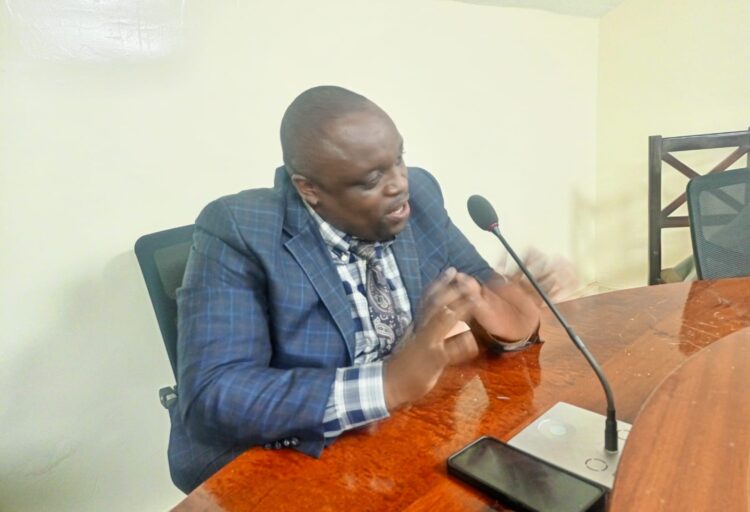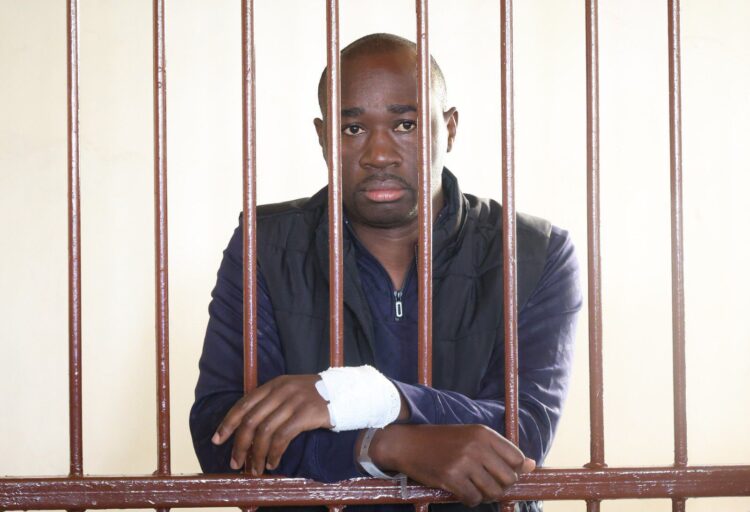


A political storm is gathering around Nairobi Woman Representative Esther Passaris after a group of youth from the capital filed a formal petition to the Independent Electoral and Boundaries Commission (IEBC) seeking her recall. The petition, which has stirred significant public debate, accuses Passaris of underperformance, neglect of duty, and failing to represent the interests of Nairobi residents effectively.
Led by a coalition of youth leaders and civil society activists, the petitioners argue that Passaris has been largely absent from key issues affecting Nairobians, especially in informal settlements where residents continue to grapple with poverty, poor sanitation, gender-based violence, and youth unemployment.
“We elected her to be our voice in Parliament, but what we’ve gotten is silence,” said Kevin Otieno, one of the lead petitioners. “Nairobi deserves proactive, visible, and engaged leadership, not photo-ops and slogans.”
According to the petitioners, Passaris has failed to account for the National Government Affirmative Action Fund (NGAAF), a critical source of development funds meant to empower women, youth, and marginalized groups. They further accuse her of lacking transparency in project implementation and failing to articulate pressing issues such as sexual violence, poor access to education, and mental health.
While Passaris is yet to respond directly to the recall effort, her allies have dismissed the petition as politically motivated.
However, the IEBC has confirmed receipt of the documents and is currently reviewing them to determine whether they meet the constitutional threshold for a recall, including proof of gross misconduct and support from at least 30% of registered voters in the county.
If successful, this would mark a historic first in Nairobi’s political history, the first time a sitting Woman Representative faces a potential recall. As the debate heats up, all eyes are on both the IEBC and Passaris’s next move.