
An intersex Kenyan athlete who launched a complaint against police and medical staff for disrespecting her privacy has won Sh1 million in compensation.
The intersex Kenyan who prefers to be identified as a woman secured the compensation in a ruling made on Tuesday, August 19, 2025, by Justice Reuben Nyakundi.
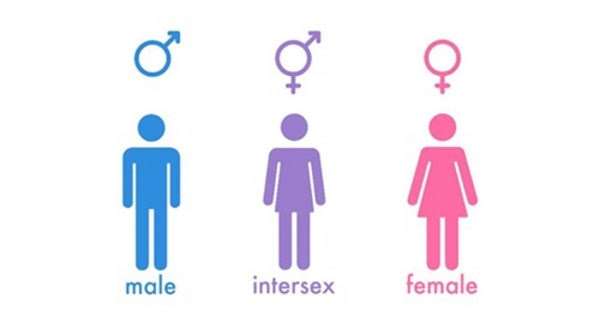
Alongside the award, Justice Nyakundi rallied the government to accept the reality of intersex persons living in the society and consider them a third gender.
The acknowledgement of a third gender, according to Justice Nyakundi, will help in considering the rights of the special group, especially the need to isolate them from prisons or confinements that are exclusively meant to hold men or women, the two genders recognised by the Constitution.
“There is a compelling urgency for the state to make physical and structural provisions at police stations and prison facilities for ‘third gender’ individuals who may conflict with the law, to guarantee their constitutional rights as outlined in this judgement,” Justice Nyakundi ruled.
The athlete, whose identity was protected and recorded as S.C., was granted Sh600,000 in compensation for being detained alongside male suspects and subsequently accused of impersonating a woman.
In addition, the Moi Teaching and Referral Hospital (MTRH) was ordered to pay her Sh400,000 after its medical staff breached her privacy by forcing her to strip for a gender verification.
“A declaration is hereby made that there is a compelling sense of urgency for the state in the interim to make provision of the physical and structural facilities at the police stations and the prison facilities for these ‘third gender’ people who may conflict with the law because of their gender identity, to guarantee their constitutional rights as envisioned in this judgement,” ruled Justice Nyakundi.
The story of the Kenyan athlete was thrust into the limelight after she was arrested at the Moi Teaching and Referral Hospital (MTRH) for a crime related to her conflicting gender identity and subsequently locked up in Eldoret Women’s Prison, based on the details in the birth certificate.
Aiming to explain her situation of being intersex, the doubting prison authorities unashamedly decided to subject her to a thorough physical examination, mainly focusing on the genitals, resulting in her being transferred to a male facility.
However, the Director of Public Prosecutions (DPP) directed continued detention at the Eldoret Police Station while investigations into gender were conducted.
The 2018 Taskforce Report on Intersex Persons in Kenya by the Kenya Law Reform Commission had similar recommendations on the rights of “third-gender” people.
The Centre for Human Rights issued further proposals, urging states to:
Safeguard the bodily integrity of intersex children by outlawing genital mutilation and other unnecessary medical procedures. Investigate and prosecute cases of abandonment, abuse, violence, or infanticide targeting intersex children.
Tackle the root causes of discrimination based on intersex traits or status, while ensuring accountability for human rights violations against intersex persons.
Provide specialised training for public servants — including health workers, teachers, law enforcement officers, and judicial officers — on the rights and needs of intersex persons.
Amend laws and establish administrative frameworks that enable intersex persons to acquire identity documents, and where necessary, alter sex markers on birth certificates and official records.