
In West Africa, the illegal trade of wild meat is moving from roadside stalls to social media, where sellers are reaching thousands of new buyers.
This growing online market is not only breaking the law but also threatening endangered animals.
Wild meat is sold across West Africa, often illegally, despite strict laws to protect wildlife.
In many towns and cities, it is openly traded at markets and roadside stalls, sometimes at higher prices than farmed meat.
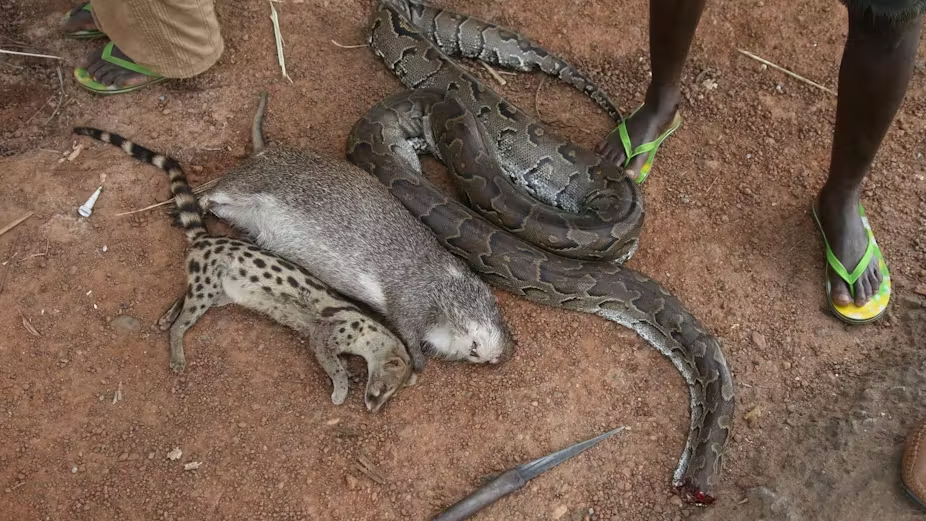
In rural areas, dead snakes, rodents and other animals are still displayed for sale to travellers.
However, the trade is both dangerous and unlawful. It pushes endangered animals closer to extinction, causes suffering for captured wildlife, and increases the chance of spreading diseases to people.
Social media has made the problem worse. Platforms like TikTok and Facebook are now being used to advertise and sell wild meat, helping sellers connect with bigger audiences.
This makes it easier for illegal traders to reach new customers, especially in cities.
According to The Conversation, recent investigations in Togo revealed how two women were using TikTok to post videos of wild meat for sale directly from their homes.
Over 17 months, more than 3,500 animals were advertised through these accounts.
The species included monitor lizards, cane rats, antelope, guineafowl, and the endangered white-bellied pangolin, which is protected under international law.