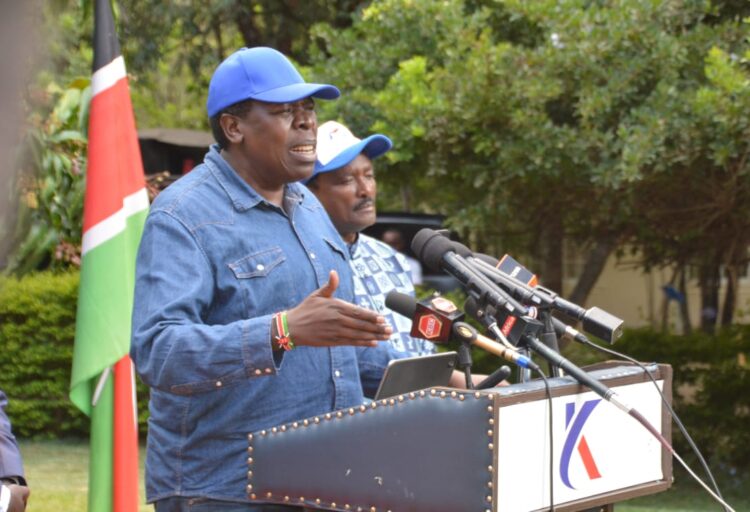


IEBC chairperson Erastus Ethekon
By Shadrack Nyakoe
The Independent Electoral and Boundaries Commission (IEBC) has introduced stricter guidelines for recalling Members of County Assembly (MCAs), setting out a more rigorous process aimed at curbing politically motivated petitions while upholding public accountability.
The new framework, unveiled this week, gives voters a clear but demanding procedure for initiating a recall, following widespread calls for stronger accountability mechanisms during the 2023 youth-led protests that targeted underperforming local leaders.
According to the rules, an MCA can only be recalled for serious offences such as violating the Constitution or any other law, gross misconduct, dereliction of duty, or conviction for a criminal offence punishable by six months or more in jail.
A registered voter may initiate the recall by filing a formal petition with the IEBC, supported by a sworn affidavit before a Commissioner for Oaths, and accompanied by a non-refundable Sh15,000 filing fee — the same amount required in election petition cases for MCA seats.
However, the Commission has set a high threshold for proving public support. Within 30 days of filing the petition, the initiator must collect signatures from at least 30 percent of all registered voters in the ward. Each supporter must provide their name, ID number, address, contact information, and physical signature or thumbprint. The IEBC further requires that the sample of supporters reflect the demographic diversity of the ward to deter politically motivated targeting.
Once these stringent conditions are met, the Commission will review the petition and determine whether to proceed with a recall referendum.
The process reinforces the IEBC’s attempt to balance accountability and stability by preventing malicious recalls while preserving the electorate’s right to remove ineffective or abusive ward representatives. In effect, the framework makes recalls achievable only when there is overwhelming, community-wide consensus not mere political discontent.