

The Ethics and Anti-Corruption Commission (EACC) has opened a formal investigation into the alleged misuse of KSh5 million in public funds for a “lavish” housewarming party at the Vihiga County Speaker’s residence.
The probe follows revelations from a recent audit and Senate hearings that exposed unauthorized borrowing and expenditure on the event.
In letters dated February 12, 2026, the EACC demanded urgent documentation from both the Vihiga County Government and the County Assembly. The commission is seeking original or certified copies of records related to the funding, procurement, and payments for the party, which reportedly took place on December 15, 2023.
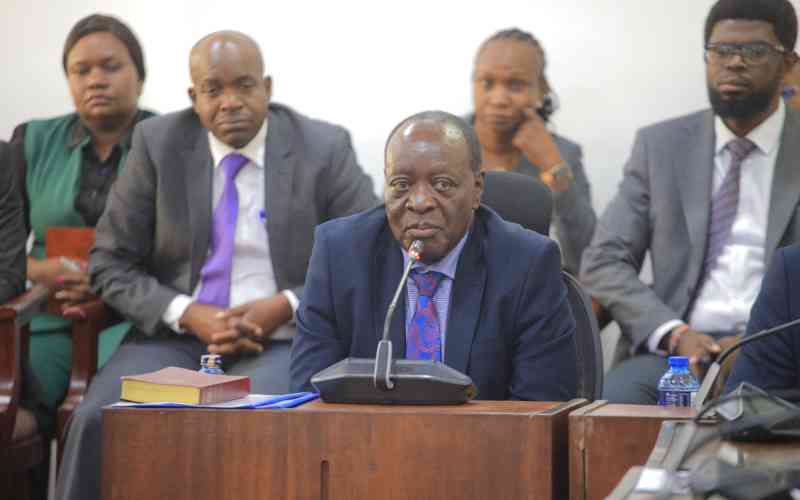
According to testimony before the Senate County Public Accounts Committee (CPAC), the KSh5 million was borrowed from county coffers earmarked for paying contractors. The EACC’s letter to the Acting County Secretary requests details on the borrowing request from the County Assembly, approval by the County Government, transfer confirmations, reimbursement records, and any other relevant information.
A separate letter to the County Assembly Clerk demands the user department requisition, approved budgets for the 2023/2024 financial year (or relevant periods), full procurement documents—including quotations, bids, evaluations, and contracts—alongside payment records such as invoices, vouchers, IFMIS entries, RTGS, and cheques.
Both entities have until February 13, 2026, to submit the documents, with EACC officers Brian Shigoli and Kevin Lagat designated to receive them.
In its correspondence, the commission described the spending as “unwarranted lavish.” Senators accused the county leadership of prioritizing non-essential activities, with CPAC ordering a refund of the KSh5 million by the end of the financial year or referral to the EACC for further action.
Governor Wilber Otichilo has defended the expenditure as necessary, but the committee dismissed his explanation, terming it a misuse of funds meant for essential services.
The EACC’s investigation could result in charges under the Anti-Corruption and Economic Crimes Act if evidence of wrongdoing is established.


Leave a Reply