

China has formally started building a massive hydropower dam on the environmentally delicate Tibetan Plateau, worth $170 billion, in a move that has drawn attention from all around the world.
The mega dam, which is predicted to generate more than 60 gigawatts of power, more than three times the production of the Three Gorges Dam, which is now the biggest in the world, is hailed as one of the most ambitious infrastructure projects in modern history.
However, while Beijing hails the project as a monumental step toward achieving clean energy dominance, critics warn of potentially devastating environmental and geopolitical consequences that could ripple far beyond China’s borders.
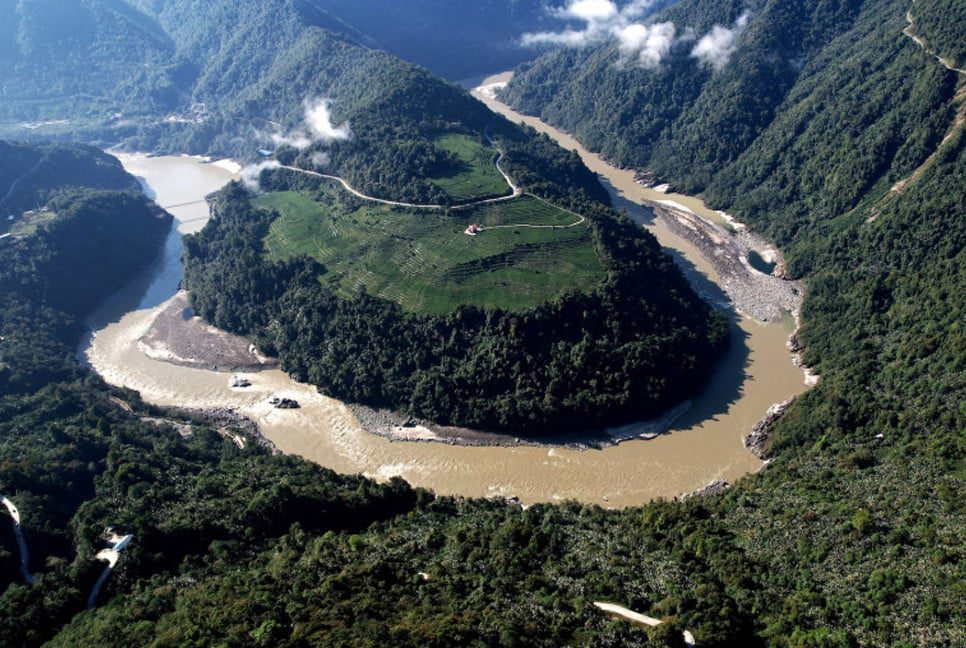
The dam is being built on the Yarlung Tsangpo River, which flows downstream into India as the Brahmaputra and into Bangladesh as the Jamuna. The river is a vital water source for hundreds of millions in South Asia, and the project has ignited fresh tensions between China and its southern neighbours.
India, in particular, has expressed deep concern over the dam’s potential to alter water flow, disrupt agriculture, and threaten the livelihoods of millions downstream.
Environmentalists are equally alarmed. The Tibetan Plateau is often referred to as the “Third Pole” due to its vast reserves of glacial freshwater. Experts warn that disrupting its ecosystem could accelerate glacier melt, endanger biodiversity, and lead to long-term climate repercussions across Asia. The sheer scale of the construction, set in one of the world’s most seismically active zones, adds yet another layer of risk.
Despite mounting criticism, Chinese authorities remain resolute, framing the project as essential for national energy security and regional development.
With global attention now fixed on the high-altitude construction site, the dam has become more than just an engineering feat; it is a symbol of China’s growing power and the global challenges posed by unchecked mega-infrastructure development in geopolitically sensitive regions.