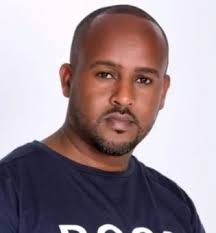


Cameroon’s incumbent President Paul Biya.[Courtesy}
By Kimberly Kalusi and Wires
Paul Biya, Cameroon’s 92-year-old president and Africa’s oldest head of state, has extended his 43-year rule after being declared the winner of the October 12 election, securing an eighth term in office.
The Constitutional Council on Monday announced that Biya garnered 53.7 percent of the vote, defeating his closest rival Issa Tchiroma Bakary, who managed 35.2 percent.
Biya’s re-election campaign was marked by his trademark low-profile approach. While his opponents toured the country seeking support, Biya largely stayed out of public view, communicating mainly through pre-recorded videos and social media posts featuring old images and quotes.
The veteran leader made only one public appearance during the campaign — in Maroua, a northern stronghold — where he addressed supporters amid reports of growing discontent over governance, rising costs of living, and separatist tensions.
When Biya first assumed power in 1982, Ronald Reagan was U.S. president, and the Cold War still shaped global politics. Over the decades, Biya has maintained a firm grip on power, relying on loyalists within the military, the ruling Cameroon People’s Democratic Movement (CPDM), and key state institutions.
Critics say his government has used state machinery to silence dissent and weaken political opponents, with elections often marred by allegations of irregularities. Despite these claims, Biya has consistently managed to consolidate his authority through successive polls.
Biya’s leadership style — characterized by secrecy and limited public engagement — has earned him the nickname “The Sphinx.” His health and prolonged stays abroad, particularly in Geneva, have often sparked speculation about his fitness to rule.
Observers say Biya’s longevity in power is the result of strategic balancing acts and patronage politics. By keeping close allies in powerful positions while occasionally reshuffling key posts, he has managed to prevent the rise of strong internal rivals.
“He mastered the art of political survival,” said a Yaoundé-based political analyst. “Biya’s system thrives on loyalty, control, and the calculated management of ambition.”
Despite his re-election, Biya faces a country grappling with deep divisions. The Anglophone crisis in Cameroon’s northwest and southwest regions — where separatists continue to clash with government forces — remains unresolved. Meanwhile, the far north continues to experience sporadic attacks from Boko Haram and Islamic State-affiliated militants.
With his new term, Biya will have to contend with growing demands for political reform, youth unemployment, and international pressure to ease restrictions on freedoms.
For now, his latest victory cements his place among the world’s longest-serving leaders — a political survivor whose reign has outlasted generations and global eras alike.