

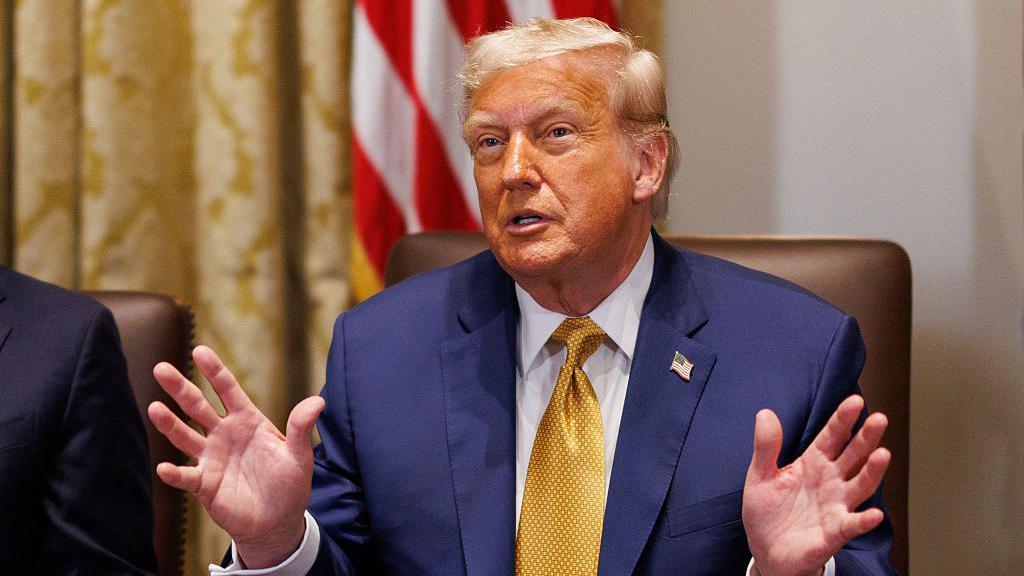
In a strategic pivot toward Africa, former U.S. President Donald Trump has reignited his outreach to the continent with bold promises of trade partnerships, investment opportunities, and “mutually beneficial” economic deals. Yet, behind the scenes, scepticism is mounting as African leaders weigh Trump’s words against a track record marked by sharp aid cuts, erratic policy shifts, and a protectionist tariff regime.
Speaking at a recent forum organized by conservative economic think tanks, Trump framed Africa as a “land of tremendous potential,” emphasizing infrastructure collaboration, energy projects, and American entrepreneurship. “We want trade, not charity,” he declared, touting plans for reciprocal trade pacts that prioritize U.S. business interests while offering African nations “access to capital and innovation.”
However, many African policymakers remain wary. During his presidency, Trump proposed slashing key development programs, including cuts to PEPFAR (President’s Emergency Plan for AIDS Relief), which has saved millions of lives across sub-Saharan Africa. Moreover, his administration’s imposition of tariffs on steel and aluminium disrupted global supply chains, with ripple effects that hurt African exporters.
Trump’s tough rhetoric on immigration and his controversial remarks about African nations, widely condemned at the time, continue to cast a long shadow over his credibility in the region. While his renewed engagement signals potential for fresh economic ties, some fear it could come at the cost of vital humanitarian aid and long-term development cooperation.
Experts argue that while trade is essential, it cannot entirely replace aid in regions battling poverty, conflict, and climate-related crises. “There’s room for both,” says Dr. Lindiwe Ayanda, a South African economist. “But framing the relationship purely in transactional terms overlooks decades of partnership and shared progress.”
As Trump lays the groundwork for a return to the global stage, Africa watches with cautious optimism, hopeful for investment, but alert to the fine print.