


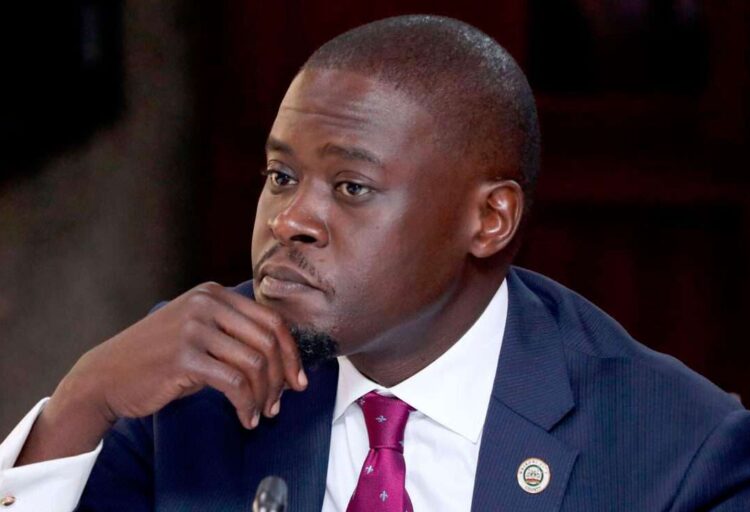
National Treasury Cabinet Secretary John Mbadi says Kenya can no longer rely on higher taxes or fresh borrowing to fund major infrastructure, warning that nearly half of all tax revenue now goes to debt repayment.
Mbadi announced on Wednesday that the government plans to remove commercially viable infrastructure projects from line ministries and transfer them to specialised companies to attract private capital and create jobs for youth.
The restructuring targets profitable ventures such as tollable dual carriageways, commercial dams and energy generation projects, leaving ministries to handle policy formulation and non-commercial rural infrastructure.
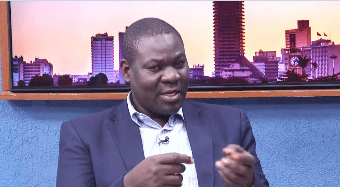
“We are taking away from these ministries commercially viable projects,” Mbadi said during an interview on Spice FM.
“The roads that can be tolled and dualed would be taken away. The dams that can be done, which are commercially viable, will be taken away,” he added.
He said ministries will retain responsibility for policy development in their sectors and continue implementing non-commercial projects such as rural roads that cannot generate toll revenue.
The Treasury chief cited the need for heavy infrastructure investment to achieve 7 per cent gross domestic product (GDP) growth and match job creation with the number of youth graduating from colleges and training institutions.
Kenya’s economy grew below 5 per cent last year.
Mbadi outlined three funding options for infrastructure development: raising taxes, increasing borrowing or attracting private investment through innovative financing models. He ruled out the first two options.
“Option A is to come for your money, the salary that you have. I don’t think you have any money left to give us,” Mbadi said, adding, “And in fact, if anything, you want us to reduce the tax rates.”
He noted the government currently spends close to 50 per cent of tax revenue on debt servicing, making additional borrowing unsustainable.
The cabinet secretary identified several infrastructure gaps hampering economic growth and investor confidence.
He said the Nairobi-Malaba highway to Uganda, Kenya’s major trading partner, remains in poor condition, with travellers spending an entire day on the road. He also cited congestion on Thika Road and the Namanga highway.
Mbadi said high energy costs and unreliable power supply discourage investors, necessitating additional megawatts to the national grid.
He added that the country must transition from rain-fed to irrigated agriculture through dam construction.
He mentioned the failed public-private partnership attempt to upgrade Jomo Kenyatta International Airport (JKIA) as an example of infrastructure projects requiring alternative financing models.
“We must admit that for our economy to create job opportunities for our youth, which is our biggest concern at the moment, we still require heavy investment in infrastructure projects,” Mbadi said.
The restructuring aims to run commercially viable projects “with that business mind” while maintaining government oversight on sector policies, he explained.

Leave a Reply