

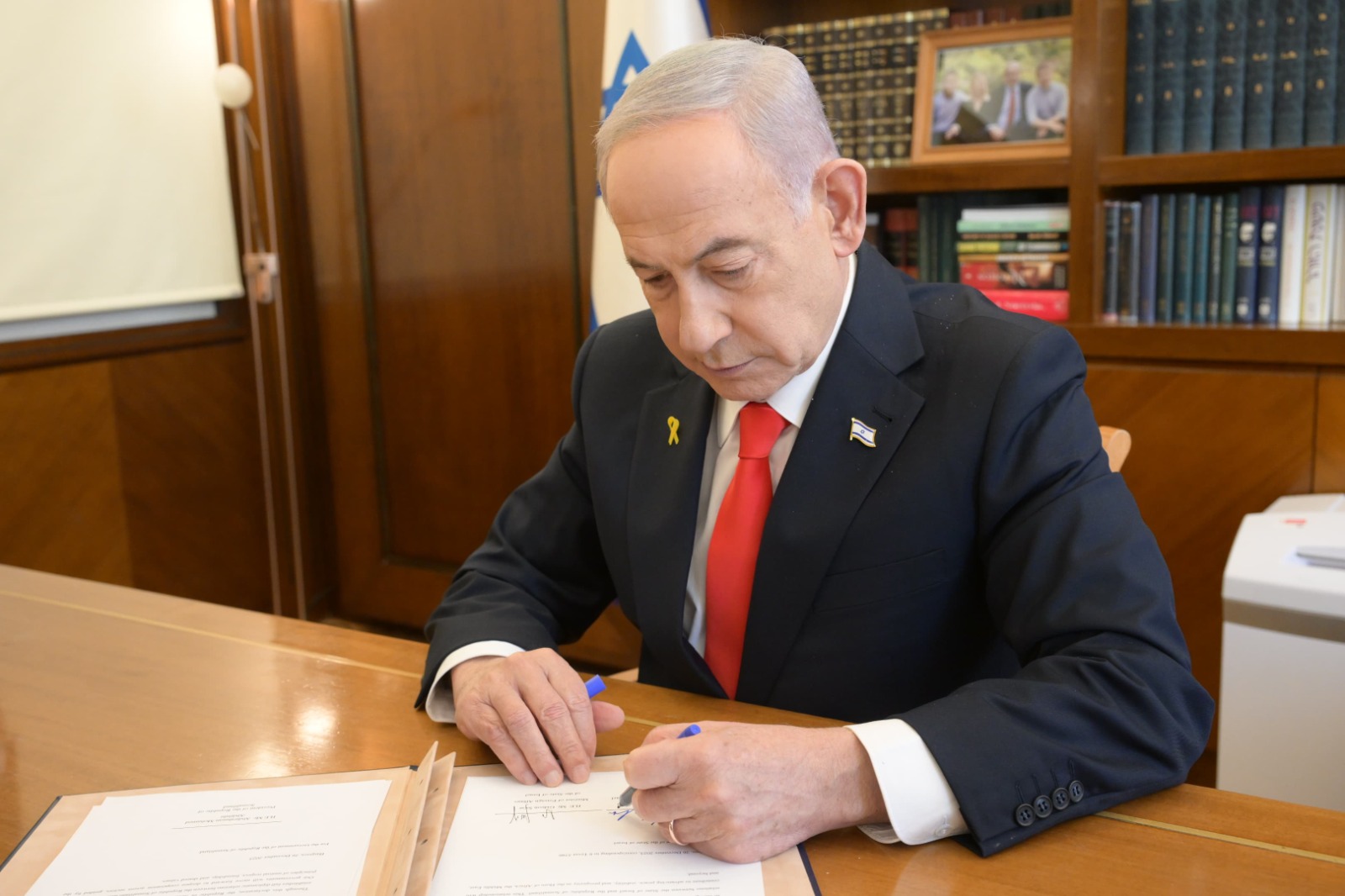
Israel has formally recognised Somaliland as an independent and sovereign state, a move that is set to redraw diplomatic lines in the Horn of Africa and deepen Jerusalem’s strategic footprint in one of the world’s most sensitive regions.
Prime Minister Benjamin Netanyahu made the announcement after signing a joint declaration with Somaliland’s President, Dr Abdirahman Mohamed Abdallah, alongside Israel’s Foreign Minister Gideon Sa’ar on December 26, 2025.
The declaration commits both sides to mutual recognition and cooperation, and is framed within the broader vision of the Abraham Accords, the landmark agreements that reshaped Israel’s relations with parts of the Arab and Muslim world under the sponsorship of United States President Donald Trump.
In a statement marking the occasion, Mr Netanyahu described the decision as historic, praising Somaliland’s leadership.
He extended a formal invitation to President Abdallah to make an official visit to Israel, signalling an intention to move swiftly from symbolism to substantive bilateral engagement.
Somaliland, a self-governing territory in northern Somalia, declared independence in 1991 following the collapse of Somalia’s central government.
Despite maintaining its own administration, security forces, currency and democratic electoral processes for more than three decades, it has struggled to gain international recognition.
Israel’s move therefore represents a significant diplomatic breakthrough for Hargeisa, potentially encouraging other countries to reconsider their long-held positions.
President Abdallah welcomed the recognition, describing it as a milestone in Somaliland’s long quest for international legitimacy.
He expressed appreciation for Israel’s stance on combating terrorism and promoting regional peace, framing the partnership as one grounded in shared security interests and a mutual desire for stability in the wider Red Sea and Horn of Africa corridor.
Netanyahu acknowledged the role played by Israel’s foreign and intelligence establishments in brokering the agreement, singling out Foreign Minister Sa’ar, Mossad chief David Barnea and the agency’s operatives for their contribution to what he described as a carefully coordinated diplomatic and security effort.
He also conveyed goodwill to the people of Somaliland, wishing them prosperity, freedom and continued peace.
Beyond the political symbolism, Israel signalled that it intends to rapidly expand its presence in Somaliland through broad-based cooperation in agriculture, health, technology and economic development.
The announcement, however, is likely to provoke debate beyond Hargeisa and Jerusalem.
Somalia’s federal government has consistently opposed any international recognition of Somaliland, maintaining that the territory remains an integral part of Somalia.
Israel’s decision may therefore strain its relations with Mogadishu and invite diplomatic pushback from countries that have traditionally upheld Somalia’s territorial integrity.
Nevertheless, Netanyahu’s government appears to be framing the move as part of a broader realignment rooted in pragmatic partnerships, shared security priorities and economic cooperation, echoing the logic that underpinned the Abraham Accords.
By extending recognition to Somaliland, Israel is not only acknowledging a long-standing de facto state but also positioning itself at the heart of a rapidly evolving regional order.
For Somaliland, the declaration offers more than diplomatic validation; it promises access to new markets, technologies and political allies after decades on the margins of international diplomacy. For Israel, it represents both a strategic foothold in the Horn of Africa and a continuation of a foreign policy doctrine that favours bilateral breakthroughs over multilateral stalemates.


Leave a Reply